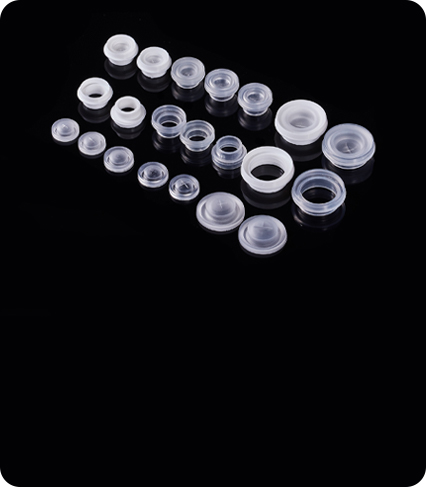
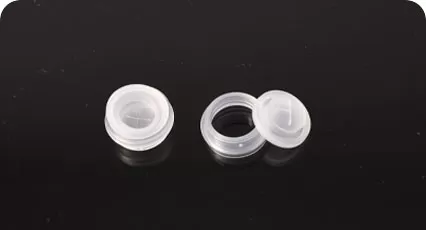
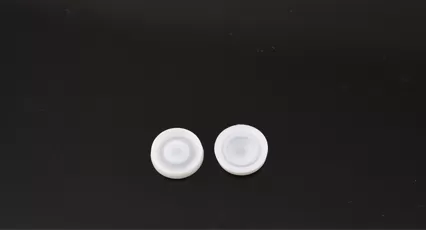
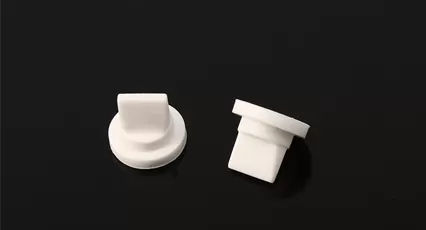
As silicone rubber valves continue to gain popularity in food packaging, medical devices, cosmetics, automotive systems, and industrial equipment, more suppliers are entering the market claiming to be silicone valve manufacturers. However, not every supplier has in-house manufacturing capabilities. Some are trading companies that outsource production, while others are true OEM manufacturers with complete engineering, tooling, molding, and quality control capabilities. So, how can buyers identify a reliable OEM silicone rubber valve manufacturer? This guide highlights the key factors to evaluate before selecting your supplier.
One of the biggest misconceptions is that a silicone rubber valve is manufactured like a simple gasket or sealing O-ring. In reality, silicone sealing valve production is significantly more complex.
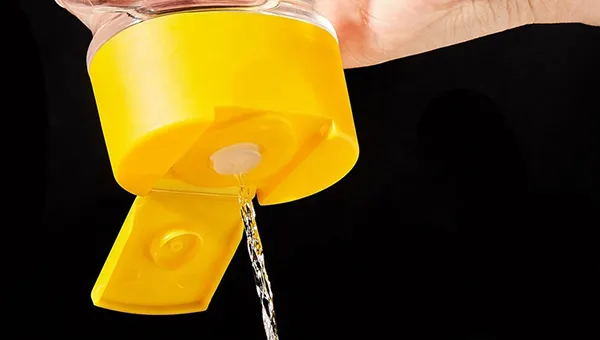
A silicone rubber valve must not only provide an excellent seal but also:
Open at a precisely controlled pressure
Deliver a consistent flow rate
Reseal immediately after dispensing
Maintain long-term performance over repeated cycles
Achieving these requirements demands high manufacturing precision.
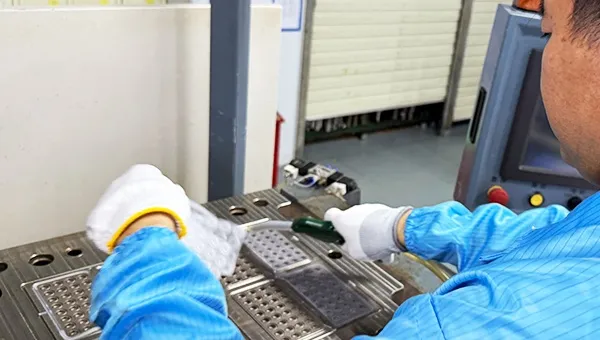
When evaluating a factory, look beyond whether they simply have compression molding equipment. A qualified manufacturer should ideally offer:
High-precision LSR (Liquid Silicone Rubber) injection molding
Compression molding for specialized materials
Precision slit-cutting equipment
Automated inspection systems
Functional testing equipment
Factories with in-house mold design and tooling capabilities generally have better control over dimensional accuracy, valve performance, and production consistency while shortening development time for custom projects.
Quality management is essential for silicone rubber valve manufacturing.
Manufacturers that operate under internationally recognized management systems generally provide greater process control and traceability.
The certifications demonstrate that a manufacturer follows standardized production and quality assurance procedures.
Many trading companies only offer several standard valve sizes from existing molds.
An experienced OEM manufacturer, however, can support complete customization, including:
Valve diameter
Silicone hardness (Shore A)
Slit configuration
Slit dimensions
Opening pressure
Flow rate
Material selection
Color customization
Custom engineering is especially important when developing a new dispensing system, as valve performance must match the container, product viscosity, and user experience.
Ask to review previous custom projects to evaluate the supplier's technical capabilities.
Many buyers prefer suppliers advertising low minimum order quantities (MOQ). While this may reduce initial investment, it does not necessarily indicate a true manufacturer.
OEM silicone dispensing valves production involves:
Raw material preparation
Mold setup
Process validation
Quality inspection
Production scheduling
Because of these manufacturing requirements, genuine factories often establish reasonable MOQs to ensure stable production efficiency and consistent quality.
A very low MOQ may indicate that the supplier is purchasing products from another factory rather than manufacturing them directly.
Instead of focusing solely on MOQ, buyers should evaluate the supplier's engineering support, production capability, and long-term reliability.
Product samples provide valuable insight into a supplier's manufacturing quality.
Sample evaluation should include:
Dimensional accuracy
Opening pressure
Flow consistency
Sealing performance
Material appearance
Surface quality
Whenever possible, request pilot production samples rather than only prototype samples. Small-batch production better reflects the consistency and stability of future mass production.
Reliable sample validation helps reduce development risks before placing large-volume orders.
A manufacturer's customer portfolio often reflects its technical capability.
If a supplier has successfully developed silicone rubber valves for internationally recognized brands or companies within your industry, it generally indicates experience with demanding quality standards and custom engineering requirements.
While customer confidentiality is common, reputable manufacturers can usually share industry references, application examples, or successful case studies that demonstrate their expertise.
There is no universal answer to whether a trading company or a factory is better.
Trading companies may offer sourcing flexibility and convenient communication, while OEM manufacturers provide greater control over product development, customization, production quality, and long-term supply.
For projects requiring custom valve design, optimized dispensing performance, or strict quality requirements, working directly with an experienced manufacturer is often the most efficient solution.
Hopewell has specialized in the research, development, and manufacturing of silicone rubber valves for more than 10 years. We provide OEM solutions for customers across the food, beverage, medical, cosmetic, automotive, and industrial sectors.
Our capabilities include:
Precision LSR injection molding and elastomer molding
In-house mold design and manufacturing
Custom valve structures, slit designs, and material selection
Functional testing and quality verification
Rich experience in customized silicone valve projects
Certified management systems including ISO 9001, ISO 14001, ISO 13485, IATF 16949, and ISO 45001
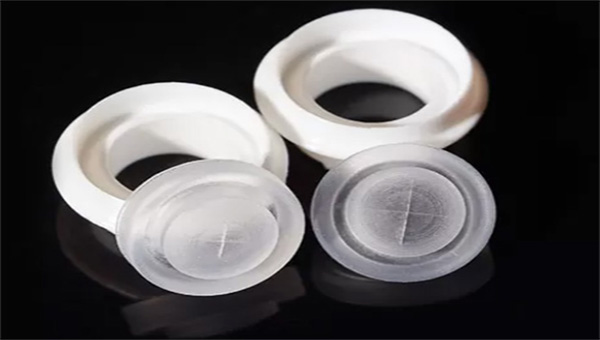
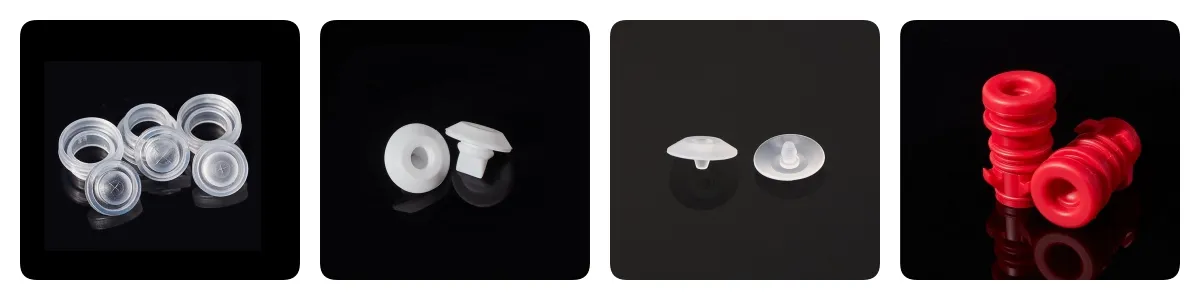
Whether you need a cross slit valve, duckbill valve, umbrella valve, check valve, or another custom fluid flow control valve, our engineering team can help develop a reliable solution tailored to your application.
If you're looking for a dependable OEM silicone rubber valve manufacturing partner, contact Hopewell today to discuss your project and discover how our expertise can support your next product development.
If you have any questions about us, you can leave a message online or contact us!
 EN
EN