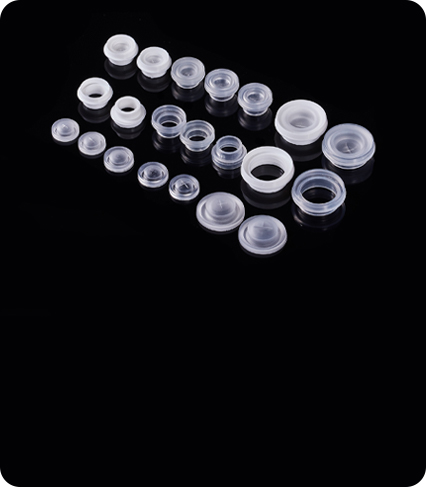
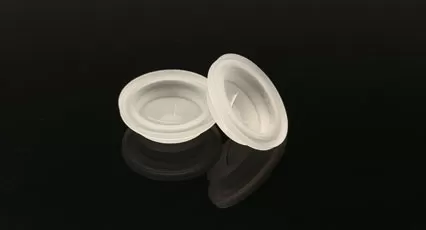
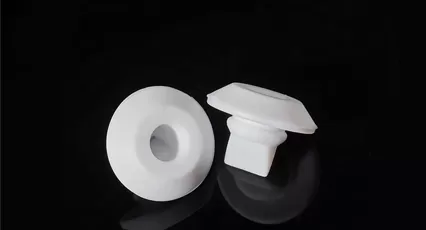
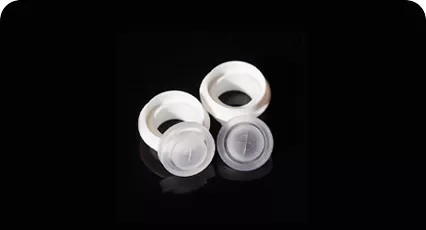
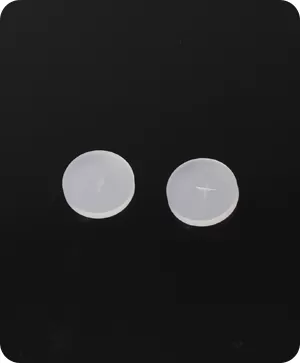
The cleansing valve used in liquid dishwashing brushes is an integrated silicone valve designed to dispense cleaning liquid directly from the brush handle. Unlike traditional valve assemblies, this design does not require a rigid plastic retaining ring. The valve can be directly snapped onto the product housing, simplifying assembly while reducing component cost.
This project dates back to around 2014, when the concept of a liquid-dispensing dish brush was still relatively new in the consumer cleaning products market.
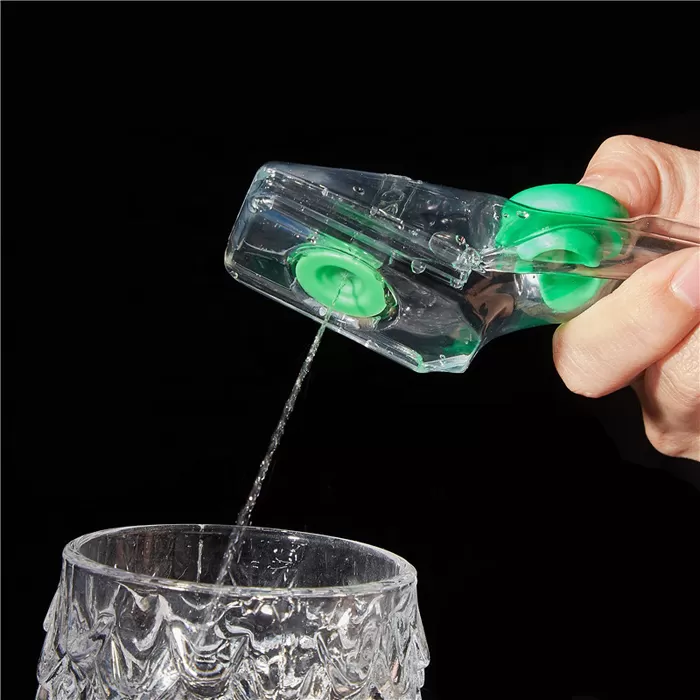
The goal of the product was to improve the user experience when cleaning dishes, cookware, and kitchen utensils. With a built-in dispensing valve, users no longer need to apply detergent by hand. Instead, the liquid dish soap stored in the brush handle can be released simply by squeezing the handle, allowing detergent to flow directly through the brush head.
This design not only improves convenience but also reduces direct skin contact with detergents, which helps minimize irritation or allergic reactions for users who are sensitive to cleaning chemicals.
Engineering Challenge: Prevent Leakage While Maintaining Smooth Dispensing
During product development, one of the key challenges was achieving the right balance between leak prevention and smooth liquid dispensing.
The dish brush handle is designed to be filled with liquid detergent. To ensure product reliability, the brush must pass a strict test condition:
When the brush container is filled with detergent and placed upside down for 24 hours, the cross-slit valve must not leak.
At the same time, the valve must allow detergent to be easily dispensed when the user squeezes the brush handle, without requiring excessive force.
These two requirements are inherently contradictory:
Better sealing performance usually requires a thicker slit wall or harder material.
Easier dispensing requires a thinner slit structure and softer silicone elasticity.
Finding the optimal balance between these two performance requirements was the key challenge of the project.
At the early stage, the valve was produced using compression molding, which introduced another challenge. Due to the high precision required around the cross-slit area, even slight variations in mold accuracy could cause uneven wall thickness around the slit, resulting in leakage at the thinner areas.
To solve this problem, Hopewell's engineering team worked closely with the customer and conducted several rounds of testing and design adjustments.
Our engineers visited the customer's site and evaluated multiple prototype samples under real application conditions. Based on the test results, we optimized several critical parameters:
1. Cross-slit wall thickness
2. Slit travel distance
3. Central valve geometry
4. Material hardness
To validate the best material performance, we produced prototype samples in three different silicone hardness levels: 30A, 40A, and 50A.
Through multiple rounds of testing, the customer was able to identify a stable combination of material hardness and slit structure that provided both reliable sealing performance and smooth liquid dispensing.
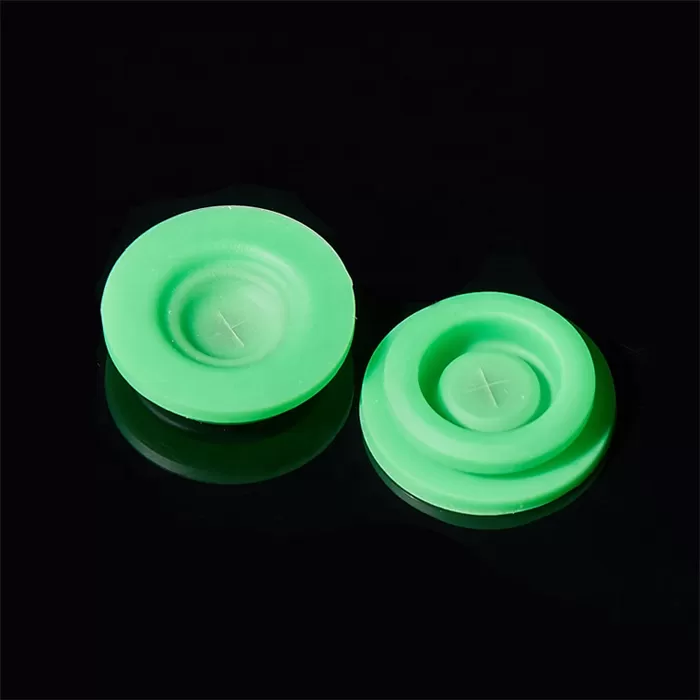
After the optimal valve parameters were confirmed, the mass production tooling was developed directly based on the validated design.
Thanks to the extensive prototype validation and engineering optimization, the production mold achieved the desired valve performance on the first production run, which significantly reduced both development time and tooling costs for the customer.
Today, this cleansing valve solution has been successfully applied in liquid dispensing dish brushes and continues to deliver stable leak-proof performance and consistent dispensing control.
Integrated silicone valves are widely used in dispensing products because they offer several advantages:
Simple assembly without additional plastic components
Reliable leak prevention
Controlled liquid dispensing
High chemical resistance
Long service life
These characteristics make them ideal for applications such as cleaning brushes, squeeze bottles, and liquid dispensing closures.
At Hopewell, we specialize in designing and manufacturing custom silicone valves for a wide range of applications, including packaging, dispensing systems, medical devices, and consumer products.
Our engineering team can support your project with:
Valve structure design
Slit configuration optimization
Material hardness selection
Prototype tooling for performance validation
Mass production manufacturing
If your product requires solutions for leak prevention, controlled dispensing, or opening pressure optimization, feel free to contact our team to discuss your project.
If you have any questions about us, you can leave a message online or contact us!
 EN
EN