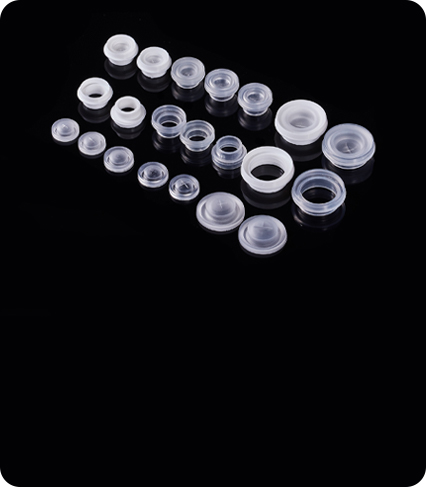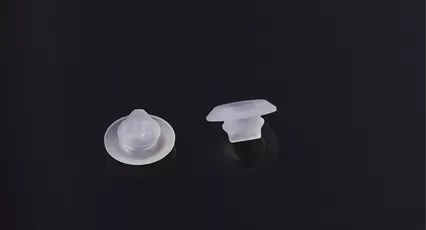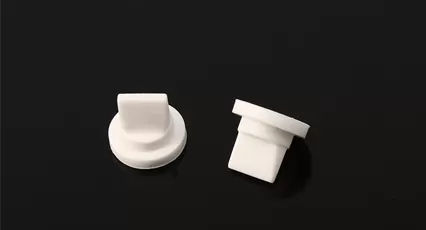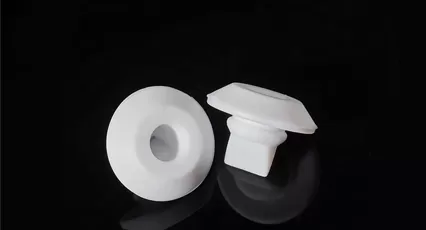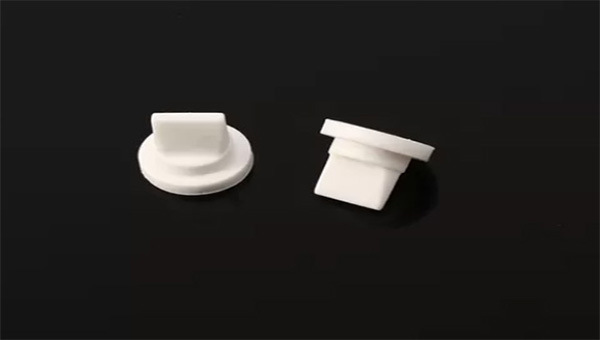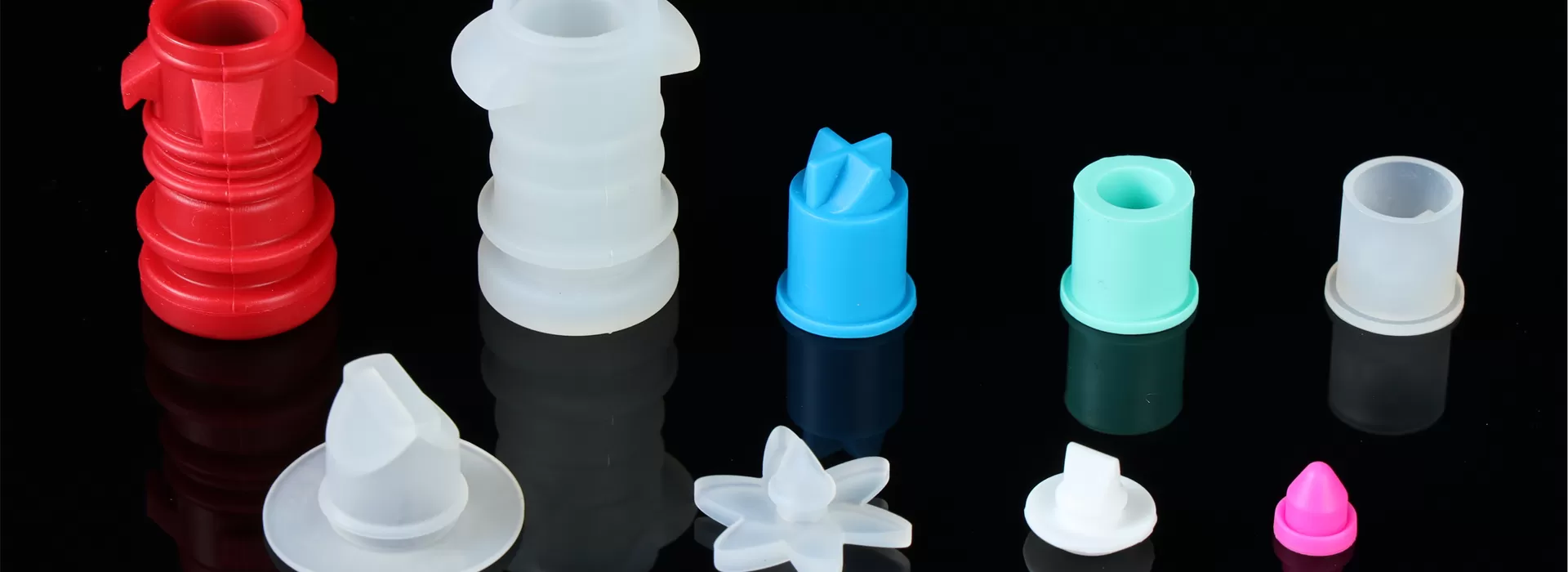
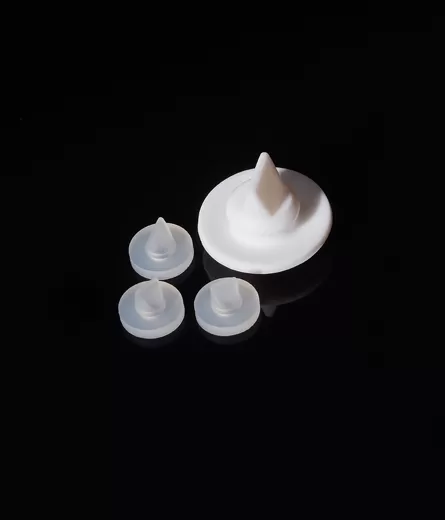
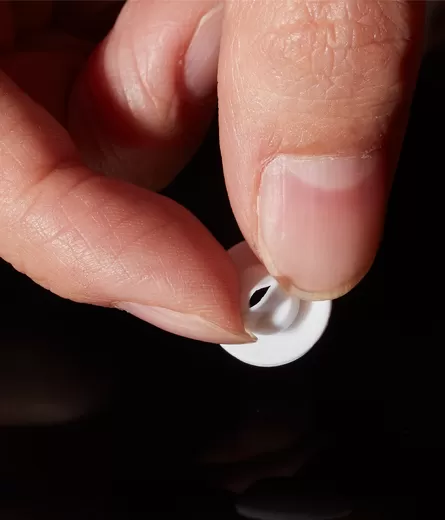
A duckbill valve is a passive elastomeric check valve for one-way flow control. Its flexible, tapered “bill” forms a natural seal without springs or mechanical parts, ensuring simple and reliable operation.
At rest, the lips stay closed; when pressure exceeds cracking pressure, they open, then reseal instantly when pressure drops or reverses. Back pressure enhances sealing, making it ideal for backflow prevention, leak control, and low-pressure systems.
Hopewell follows a controlled manufacturing process to ensure consistent duckbill valve performance. Molding methods include compression molding for cost-efficient production and LSR injection molding for high-precision, complex designs.
Precision slit cutting—semi-automatic for small batches or fully automatic for volume production—ensures accurate slit geometry, stable opening force, and repeatability.
According to customers' requests, each valve can undergo leak testing, cracking pressure verification, and flow evaluation. Processes are selected based on design, volume, and cost targets.
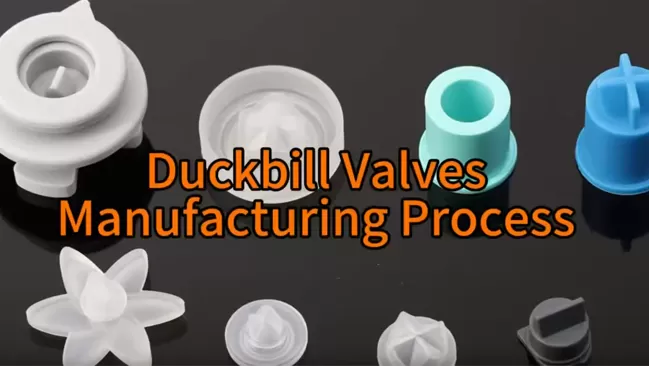

Both duckbill valves and cross slit valves are silicone-based check valves, but they are designed for different fluid control functions. Duckbill valves provide strict one-way flow, while cross slit valves can support bidirectional flow depending on system design.

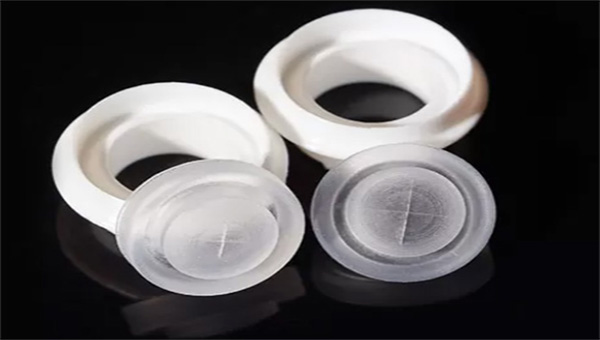
Structurally, a duckbill valve uses a two-lip tapered "bill" design that seals tightly under back pressure, offering excellent anti-leak performance. In contrast, a cross slit valve uses a dome-shaped tip with a cross-cut slit that opens radially for dispensing and air return.
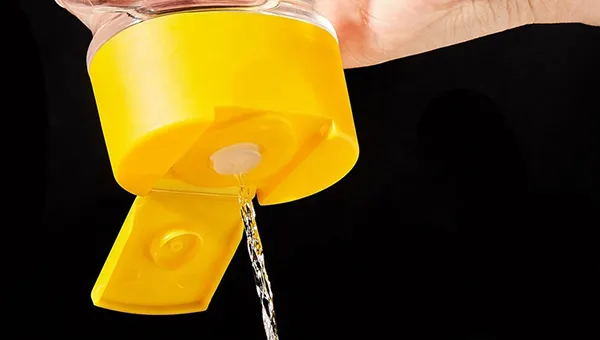
Duckbill valves are typically used in applications requiring reliable backflow prevention and stable low cracking pressure, such as drainage systems, medical devices, pump outlets, and venting systems. They are preferred where one-way sealing is critical.
Cross slit valves are suitable for dispensing systems where liquid discharge and air intake occur through the same opening at different stages. In advanced designs, both valves are often combined—cross slit for dispensing and duckbill for air intake—to prevent air lock, splashing, and irregular flow.
Zero Backflow Sealing
The self-closing lips form a tight seal that becomes stronger under reverse pressure, effectively preventing backflow and leakage.
Low & Adjustable Cracking Pressure
Cracking pressure can be precisely tuned by adjusting wall thickness, slit length, and material hardness, making it suitable for ultra-low pressure systems.
One-Piece Design (No Moving Parts)
The valve is fully elastomeric with no mechanical components, eliminating wear, corrosion, and the need for maintenance.
Easy Installation
Designed for snap-fit or press-fit assembly, the valve can be installed quickly without tools, reducing assembly time and labor cost.
Wide Temperature & Chemical Resistance
Silicone material performs reliably from -60°C to 200°C and is compatible with water, chemicals, and food-grade media.
Silent Operation
The soft elastomer closing action ensures quiet performance, making it ideal for consumer products, medical devices, and indoor applications.
Slit Sticking
Two of the most frequently reported duckbill valve field failures are slit sticking and reverse leakage. Both are preventable with the right material selection, manufacturing process, and design specification.
Slit sticking occurs when freshly cut silicone surfaces adhere due to residual silicone oil and material tackiness. This can be solved through anti-stick surface treatment, optimized slit geometry, controlled post-cut conditioning, and the use of low-bleed silicone materials.
Reverse Leakage
Reverse leakage is usually caused by poor slit quality, low hardness, excessive back pressure, or installation deformation. Improvements include precision cutting, higher Shore A hardness, optimized wall thickness, and better housing design. Valve performance should always be validated under real operating pressure with a 3–5× safety margin for critical applications.
If you have any questions about us, you can leave a message online or contact us!
 EN
EN