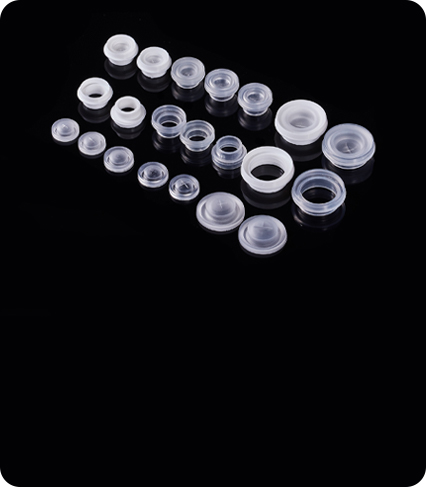
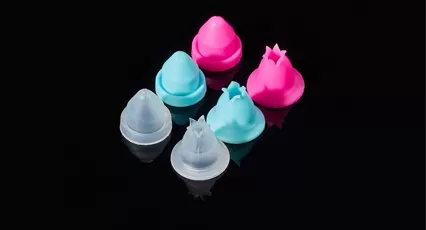
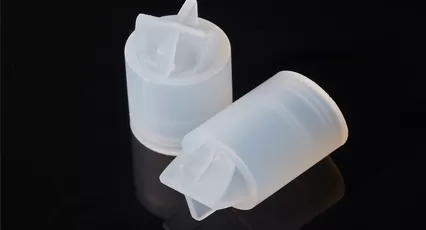
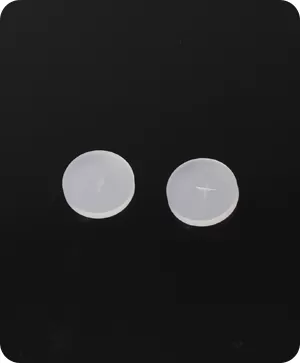
A coated silicone valve refers to a silicone valve that is treated with a thin parylene coating on its surface. This advanced coating technology significantly improves the functional performance of silicone valves, especially in applications that require clean assembly conditions and improved resistance to oily substances.
At Hopewell, we developed the parylene coated silicone valve to solve common challenges faced by customers using traditional cross slit silicone valves in automated assembly and oil-based liquid dispensing systems.
The coating forms a uniform, ultra-thin protective layer on the surface of the silicone valve without affecting the elasticity or opening pressure of the slit structure.
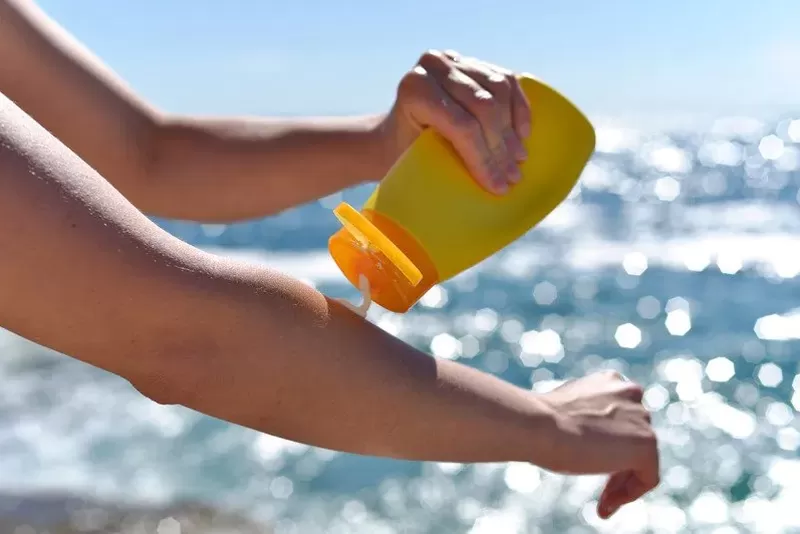
Traditional cross slit silicone valves are widely used in dispensing systems for food, beverage, and personal care products. However, several issues often arise during production and application.
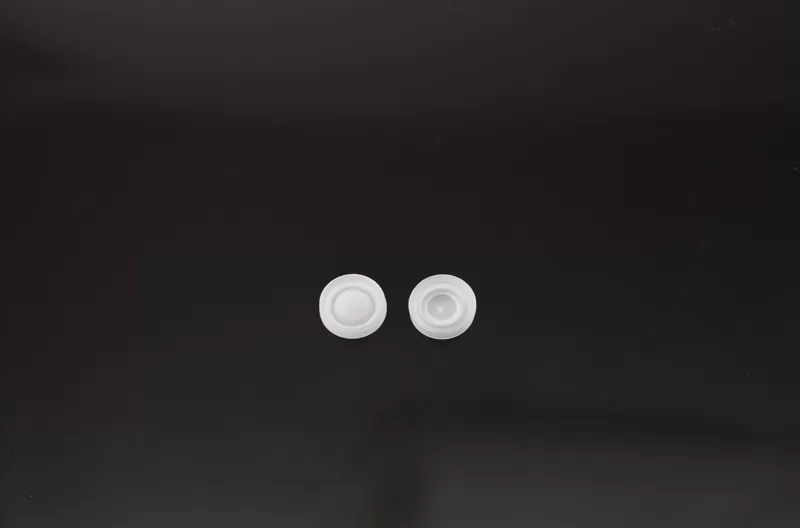
Silicone valves naturally have a slightly tacky surface, which can cause valves to stick together during storage or automated assembly.
To prevent this problem, manufacturers usually add food-grade talcum powder to the valve surface so that the parts can move smoothly through automated assembly equipment.
However, this solution creates new problems for customers operating in cleanroom environments.
During assembly, the powder can disperse into the air and affect the cleanliness level of the production environment, making it difficult to maintain strict cleanroom standards.
Another limitation of standard food-grade liquid silicone rubber (LSR) is its relatively weak resistance to oils and oily liquids.
When silicone valves are used with products such as:
Sunscreen lotions
Liquid foundation
Cosmetic oils
Edible oils
the silicone may gradually absorb the oil over time.
This can cause:
Swelling around the slit area
Reduced sealing performance
Potential air leakage or liquid leakage when the bottle is inverted
Switching to materials such as fluorosilicone or fluorocarbon rubber can improve oil resistance, but these materials significantly increase the overall product cost.
To address these challenges, Hopewell explored multiple surface treatment technologies and conducted extensive testing before selecting parylene coating as the optimal solution.
Parylene is a high-performance polymer coating applied through a vacuum deposition process, which creates a thin and highly uniform protective layer over the entire valve surface.
This coating provides several key advantages.
The parylene coating creates a smooth and dry valve surface, eliminating the need for talcum powder during automated assembly.
This makes the valve especially suitable for:
Cleanroom assembly environments
Automated high-speed production lines
The coating acts as a protective barrier that significantly reduces oil absorption by the silicone material.
As a result, the valve maintains:
Stable slit structure
Reliable sealing performance
Long-term durability in oil-based liquid applications
Parylene coatings can also help reduce static charge accumulation, which further improves handling and automated assembly performance.
The coating technology used is compatible with food-contact applications, making the valve suitable for products such as edible oils and food dispensing systems.
Parylene coated silicone valves are ideal for products that require both clean assembly conditions and resistance to oily liquids, including:
Sunscreen and cosmetic packaging
Liquid foundation and skincare products
Edible oil dispensing bottles
Food and beverage packaging systems
Cleanroom manufacturing environments
At Hopewell, we specialize in developing custom silicone valves for demanding applications across multiple industries.
By combining advanced materials and precision manufacturing processes, we help customers improve product reliability, assembly efficiency, and long-term performance.
If you are looking for a coated silicone valve solution for oil-based liquids or cleanroom assembly, our engineering team would be happy to support your project.
Contact Hopewell today to discuss your custom silicone valve requirements.
If you have any questions about us, you can leave a message online or contact us!
 EN
EN