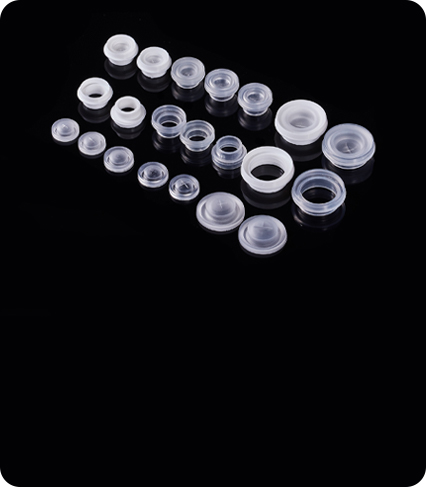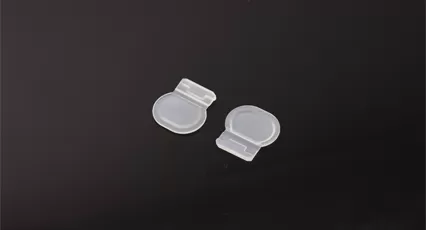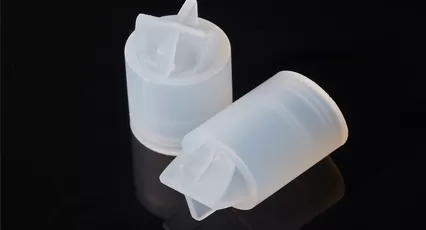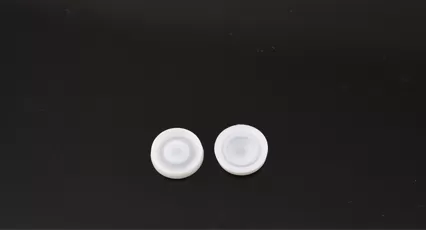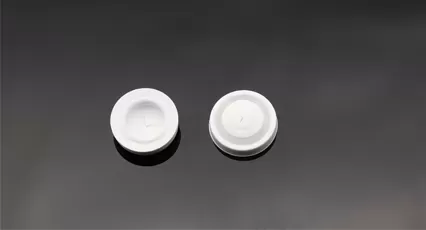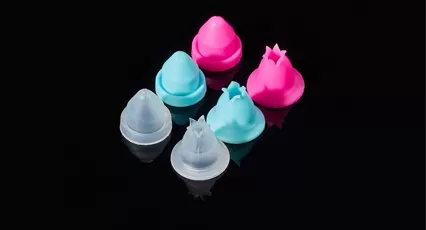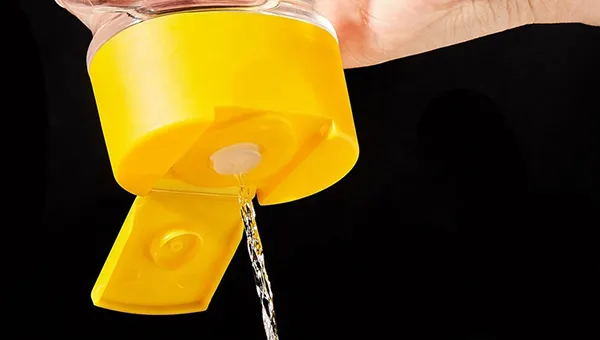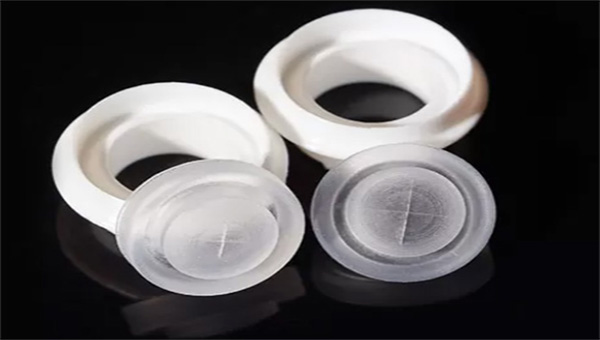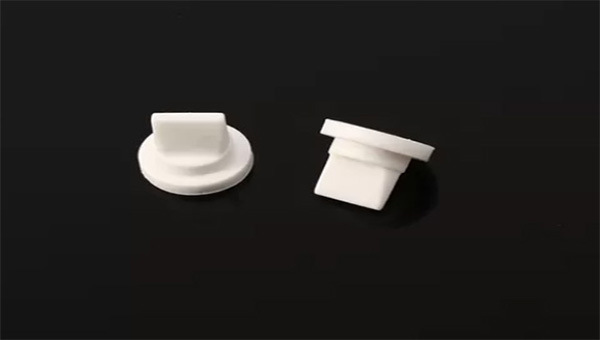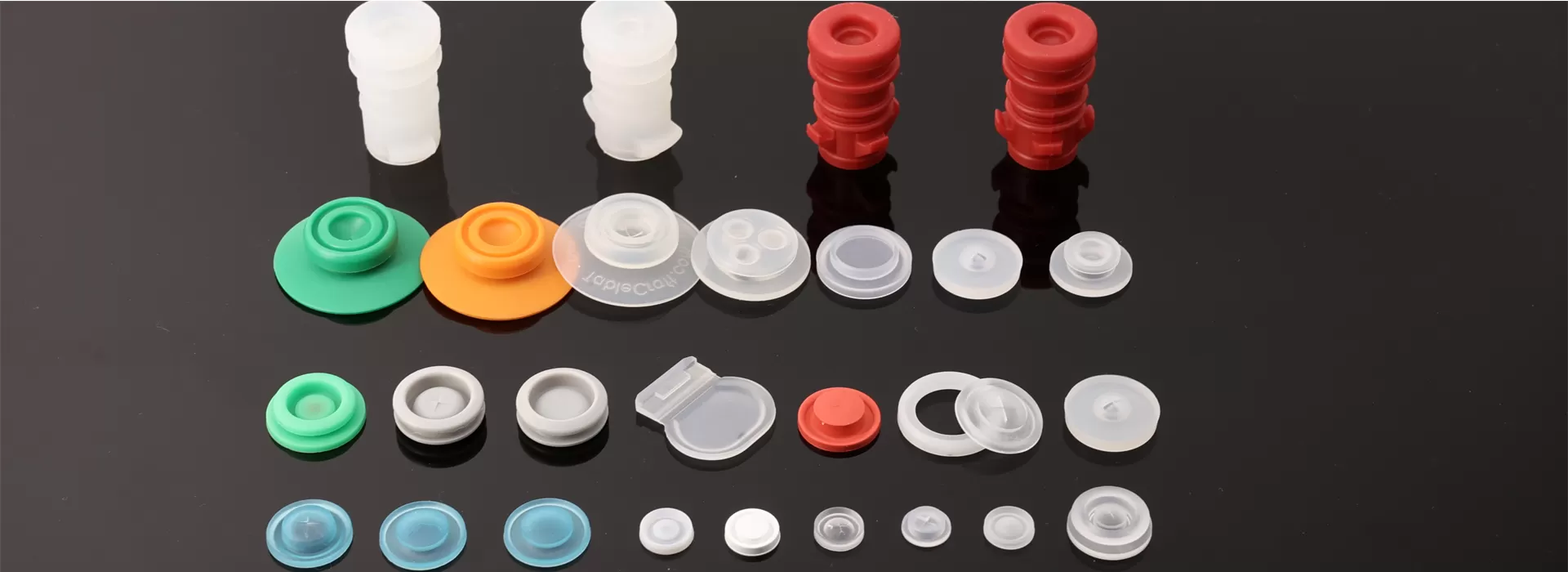
Hopewell manufactures custom valves using silicone injection molding, compression molding, hot press molding, and plastic injection molding. We produce silicone rubber valves, dispensing valves, and recyclable plastic valve components for food, medical, and industrial applications. Based on your product structure, sealing requirements, and production volume, we recommend the most suitable manufacturing solution.
Hopewell focuses on manufacturing high-quality custom valves with continuous investment in engineering, tooling, and quality control. Customers worldwide choose us because we provide reliable technical support, stable production capacity, and responsive service throughout the entire project lifecycle.

Our engineering team specializes in elastomer valve research and development. Based on your application requirements, we can assist with:
Valve structure design
2D/3D drawing support
DFM (Design for Manufacturing) analysis
Cracking pressure evaluation
Flow performance optimization
Material selection recommendations
Mass production feasibility assessment
This helps customers reduce development risks and improve product reliability before tooling investment.

We design and manufacture molds internally, allowing faster communication and shorter development cycles. Prototype tooling can be produced quickly for structure validation and performance testing, while optimized production tooling helps reduce mass-production lead times and accelerates product launch schedules.
Hopewell operates professional silicone rubber molding and plastic injection molding workshops, including clean production environments for applications requiring higher cleanliness standards. Our manufacturing capabilities include:
Silicone injection molding
Compression molding
Hot press molding
Plastic injection molding
Multi-cavity high-volume production
These capabilities allow us to manufacture precision custom valves with stable quality and excellent consistency.
Our experienced quality control team works together with automated inspection equipment to improve inspection efficiency and reduce quality variation. From incoming raw materials to finished products, every production stage is carefully monitored to ensure dimensional accuracy, sealing performance, and product reliability.
Our support team responds to customer inquiries within 24 working hours. Whether you need technical advice, production updates, or troubleshooting assistance, we provide professional support throughout development and production.
In custom valve development, valve performance is closely related to product geometry, material hardness, slit dimensions, and structural design. Three of the most important factors are cracking pressure, valve profile, and Shore hardness.With more than a decade of valve engineering and manufacturing experience, Hopewell's technical team understands how valve shape, structure, dimensions, material selection, and hardness interact to affect product performance. We can provide professional recommendations based on your application requirements and help optimize your custom valve design for mass production.If you are developing a custom valve project, welcome to contact Hopewell for engineering support and manufacturing solutions.
Cracking pressure refers to the minimum pressure required to open the valve. Under normal conditions without pressure, the valve remains sealed to prevent leakage. Once the internal pressure reaches the designed threshold, the valve opens and allows liquid or gas to flow through.Different applications require different cracking pressure ranges depending on:
Dispensing force
Flow control requirements
User experience
Sealing performance
Container pressure conditions
The valve profile refers to the overall shape and structural geometry of the valve. During operation, the valve deforms under pressure and reaches a designed displacement before opening. Valve geometry directly affects:
Opening sensitivity
Flow rate
Sealing capability
Backflow prevention
Durability and fatigue resistance
Optimized valve structures help achieve stable one-way venting and controlled dispensing performance.
Shore hardness determines the elasticity and flexibility of the elastomer material. Material hardness has a major influence on:
Valve opening force
Recovery performance
Sealing effectiveness
Long-term durability
Flow consistency
Softer materials generally provide easier opening and better flexibility, while harder materials improve structural stability and sealing resistance.
Choosing the right custom valve is important for achieving reliable sealing, dispensing performance, and user experience. Different applications require different valve structures, materials, and opening characteristics. First, define the valve function, such as leak-proof sealing, liquid dispensing, pressure release, or one-way air venting. The valve function directly affects the valve type, slit design, and cracking pressure. Second, evaluate the media and material compatibility. Factors including fluid viscosity, temperature, and chemical properties help determine whether food-grade silicone, medical-grade elastomers, or chemical-resistant materials are required. The assembly method also affects valve performance. Common installation options include press-fit, snap-fit, overmolding, and cap-integrated assembly structures. In addition, cracking pressure and flow rate requirements should be clearly defined. Parameters such as slit dimensions, wall thickness, valve geometry, and material hardness all influence valve opening response and dispensing performance.
If you have any questions about us, you can leave a message online or contact us!
 EN
EN