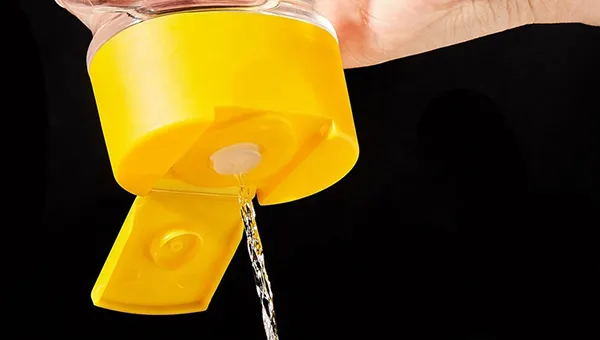
Leakage and dripping are two of the biggest challenges in squeeze bottle packaging. Whether the product contains water, sports drinks, honey, ketchup, shampoo, or household cleaners, uncontrolled liquid flow not only creates a messy user experience but also wastes product and reduces consumer satisfaction.
A silicone valve is one of the most effective solutions for preventing leaks while ensuring smooth, controlled dispensing. By integrating a food-grade silicone valve into the bottle cap, manufacturers can significantly improve package performance without adding complicated mechanical components.
This article explains how silicone valves work, why they are essential for squeeze bottles, and how to select the right valve for different products.
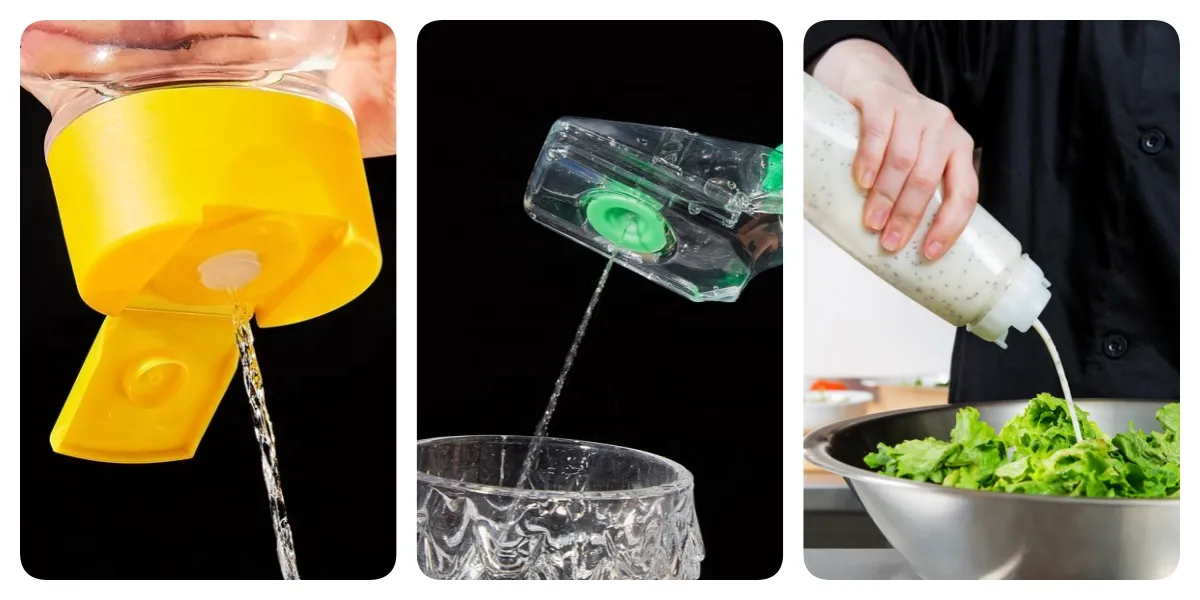
Many conventional squeeze bottles use a simple open-hole dispensing cap. Although this design is inexpensive, it has several disadvantages:
Liquid can flow out when the bottle is stored upside down.
The bottle may leak if accidentally knocked over.
Residual liquid remains around the opening, causing dripping after each use.
Product waste increases due to uncontrolled dispensing.
Air easily enters the bottle, affecting freshness for certain products.
These problems become even more noticeable with low-viscosity liquids such as water, sports drinks, or juice concentrates.
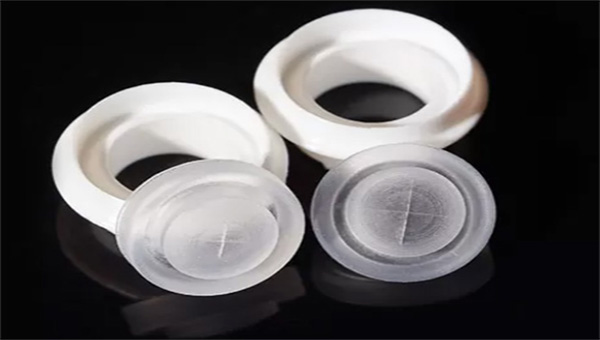
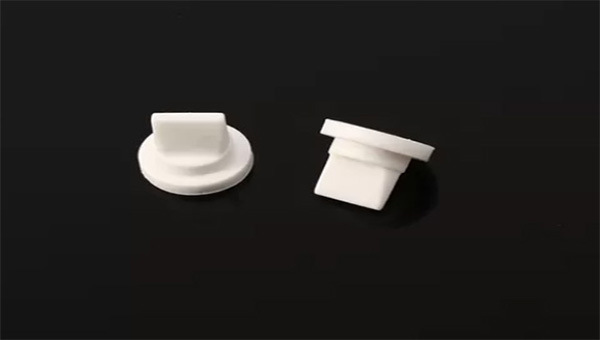
A silicone slit valve works as a self-sealing dispensing system. Unlike a traditional opening, the valve remains completely closed when there is no squeezing force applied.
When the bottle is at rest, the elasticity of the silicone keeps the slit tightly closed, acting like a sealing gasket. This prevents liquid from escaping and minimizes contact between the product and outside air.
When the user squeezes the bottle, internal pressure rises until it reaches the valve's designed opening pressure. The slit then opens automatically, allowing liquid to flow out at a controlled rate.
Once squeezing stops, the silicone immediately returns to its original shape and seals itself again, preventing post-dispensing dripping.
This simple yet highly reliable mechanism provides:
Excellent leak prevention
Clean dispensing without dripping
Consistent flow control
Reduced product waste
Improved product freshness by limiting air exposure
Besides sealing performance, another major advantage of silicone valves is controlled dosing.
The valve can be engineered to deliver a consistent amount of liquid with every squeeze. This feature is especially valuable for:
Sports nutrition
Energy gels
Liquid supplements
Functional beverages
Baby food
Condiments
Medical nutrition
For fitness enthusiasts, controlled dispensing makes it easier to monitor intake without measuring cups or spoons.
Manufacturers can customize the valve opening pressure, slit geometry, and flow rate to achieve the desired dispensing performance.
Not every squeeze bottle requires the same valve design. The optimal valve depends on factors including product viscosity, bottle size, squeezing force, and desired flow rate.
Examples include:
Mineral water
Sports drinks
Electrolyte beverages
Juice concentrates
Liquid vitamins
These products typically perform best with:
Smaller valve diameter
Smaller slit opening
Lower opening pressure
Faster self-sealing response
A compact valve minimizes accidental leakage while allowing smooth dispensing with minimal squeezing force.
Examples include:
Honey
Syrup
Salad dressing
Yogurt sauce
Chocolate sauce
Mayonnaise
Thick food concentrates
These products usually require:
Larger valve diameter
Larger slit design
Optimized flow channels
Faster air return after dispensing
A properly designed valve helps thick liquids dispense quickly while maintaining excellent sealing performance after each squeeze.
Every squeeze bottle package has unique dispensing requirements.
Factors that influence valve design include:
Bottle volume
Neck finish
Cap structure
Liquid viscosity
Required dispensing volume
Opening pressure
Consumer squeezing force
Operating temperature
Food or medical compliance requirements
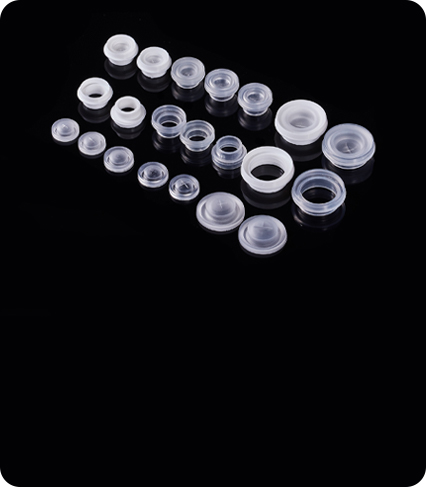
Common slit configurations include:
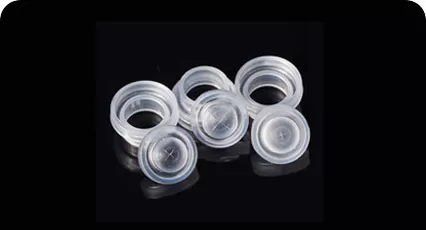
Cross slit valve
X slit valve
Y slit valve
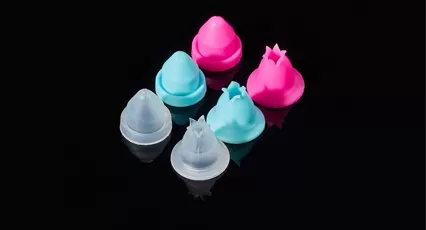
Star slit valve
Snowflake slit valve
Customized slit patterns
Selecting the correct combination of valve size, slit geometry, silicone hardness, and wall thickness is essential for achieving the ideal balance between leak-proof sealing and smooth dispensing.
Silicone valves are widely used in numerous industries, including:
Food & beverage packaging
Sports nutrition
Condiment bottles
Dairy products
Personal care products
Household cleaning products
Medical and healthcare packaging
Baby feeding products
Their reliable sealing performance and long service life make them an ideal choice for modern dispensing closures.
At HOPEWELL, we specialize in designing and manufacturing high-performance silicone rubber valves for squeeze bottle applications worldwide.
Our capabilities include:
Food-grade and medical-grade silicone materials
Precision LSR injection molding
Custom valve size and slit design
Flow rate optimization
Leak-proof validation testing
OEM and ODM manufacturing
Support for food, beverage, personal care, and industrial packaging
Whether your product requires precise dosing, high-speed dispensing, or maximum leak protection, our engineering team can recommend the most suitable silicone valve solution.
A high-quality silicone valve is much more than a leak-proof component—it is the core technology behind clean, controlled, and reliable dispensing.
By selecting the correct valve size and slit design based on bottle dimensions and liquid viscosity, manufacturers can greatly improve product performance, reduce leakage and dripping, and deliver a better user experience.
If you're unsure which silicone valve is best for your squeeze bottle application, HOPEWELL can help. With extensive experience serving global brands across multiple industries, we provide customized silicone valve solutions tailored to your packaging requirements. Contact our team today to discuss your project and discover the ideal leak-proof dispensing solution.
If you have any questions about us, you can leave a message online or contact us!
 EN
EN