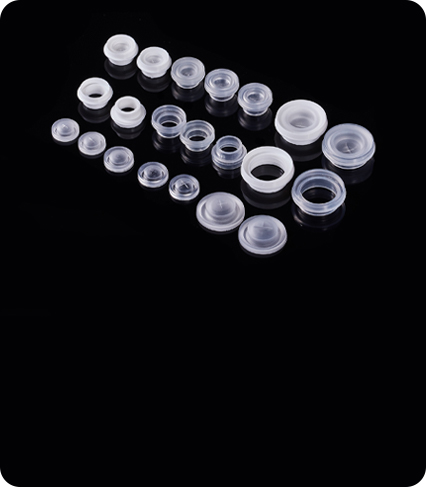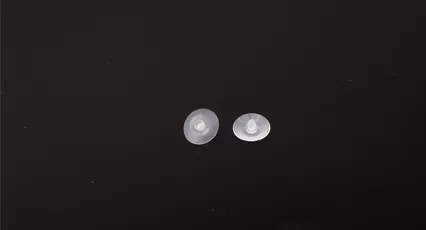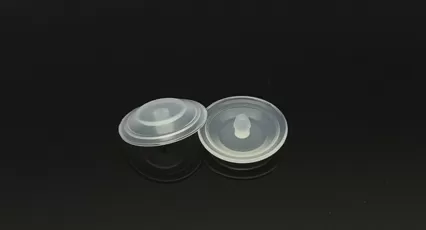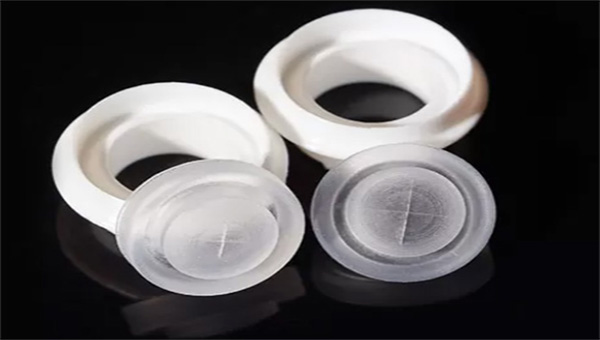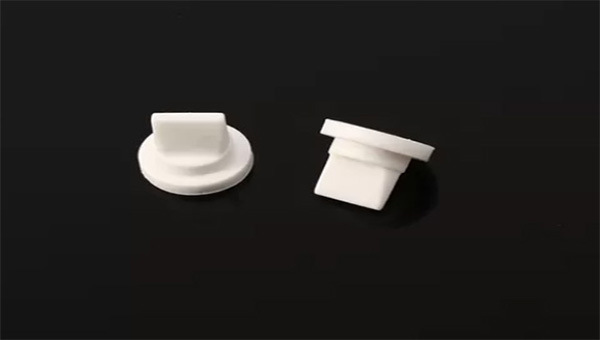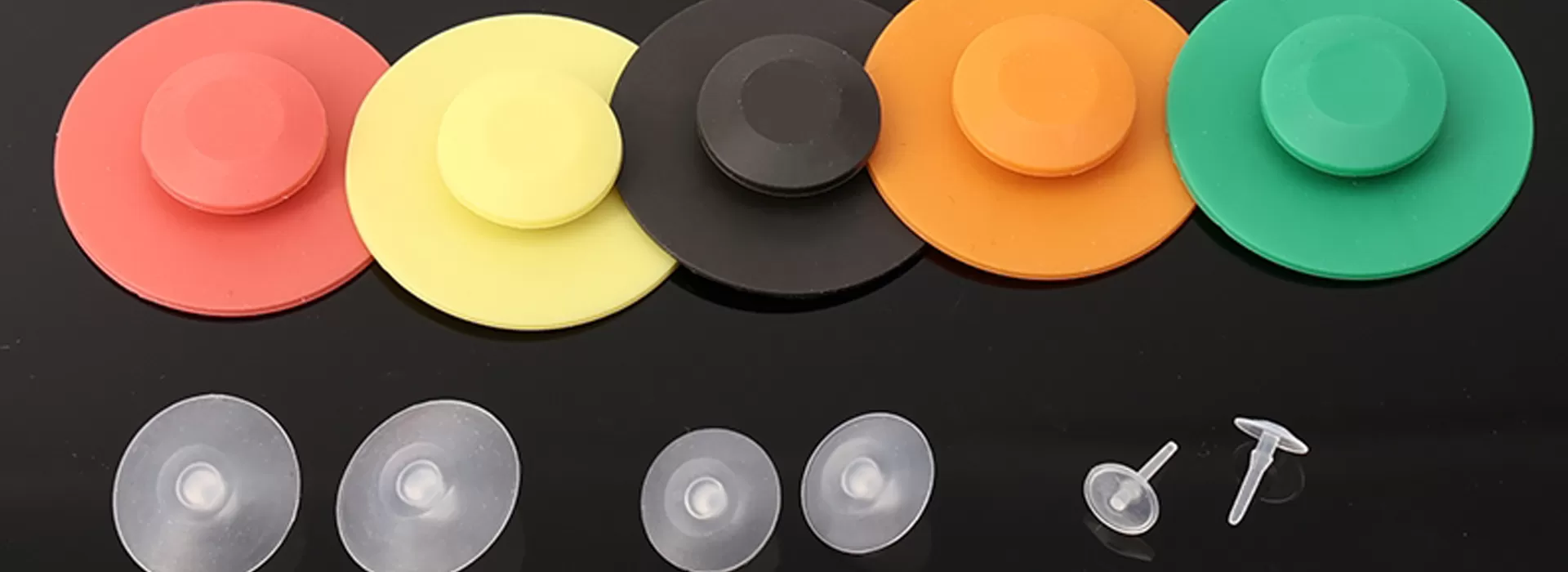
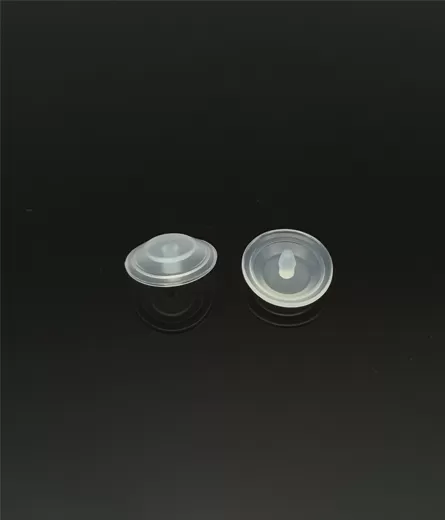
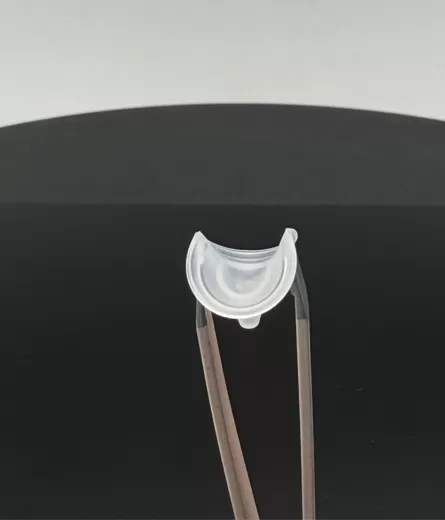
An umbrella valve, also known as a mushroom valve, is a silicone one way valve designed for air or fluid release in a single direction. It gets its name from its umbrella-like or mushroom-shaped appearance.
An umbrella valve works by using the flexible umbrella-shaped diaphragm to create a seal against the valve seat. Under normal conditions, the umbrella edge remains tightly closed to prevent reverse airflow or liquid backflow.
When internal pressure exceeds the valve's designed cracking pressure, the edge of the umbrella diaphragm flexes upward, allowing air or gas to escape. Once the pressure decreases, the silicone diaphragm automatically returns to its original sealing position.
This simple one-way valve mechanism provides reliable pressure relief while maintaining excellent sealing performance.
The manufacturing precision of an umbrella valve directly affects its sealing reliability and opening pressure consistency. Since the umbrella diaphragm functions as the sealing surface, the thickness uniformity and dimensional accuracy of the diaphragm are extremely important. If the diaphragm thickness is uneven, thinner areas may deform excessively and cause air leakage or unstable valve performance. Hopewell uses precision compression molding and LSR injection molding technologies to manufacture high-performance silicone umbrella valves. Key production advantages include:
Precision mold design and in-house tooling manufacturing
Uniform diaphragm thickness control
Stable outer diameter tolerance
High-precision trimming and punching process
Consistent cracking pressure performance
Food-grade and medical-grade silicone material options
Our advanced molding process ensures stable product dimensions, reliable sealing, and long-term durability even in demanding applications.
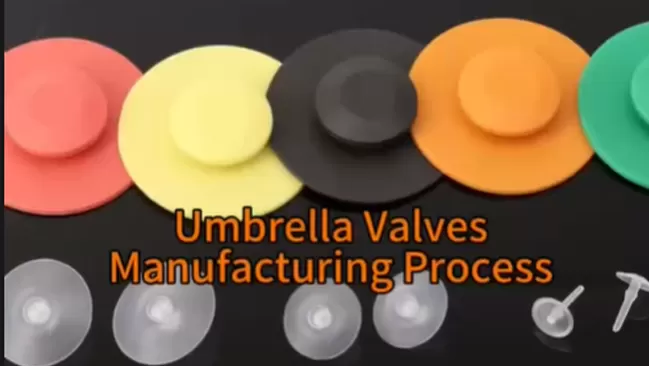
Hopewell focuses on manufacturing high-precision silicone one way valves with stable and repeatable performance. Unlike many standard silicone valve suppliers, we control the entire production process from tooling development to precision molding. If you are looking for a reliable silicone umbrella valve manufacturer with stable quality, competitive pricing, and strong engineering support, Hopewell is ready to help with your project.

In-House Mold Design & Manufacturing:
Our internal tooling department ensures high mold accuracy, fast development cycles, and better dimensional control.

Precision Silicone Molding Technology:
We use advanced compression molding and LSR injection molding processes to achieve excellent diaphragm consistency and sealing reliability.
Optimized Gate Design for Functional Stability:
For functional silicone valves, material flow control during molding is extremely important. Hopewell uses optimized gated molding designs to minimize dimensional variation and ensure stable valve performance.
Strict Quality Control:
Every production batch undergoes dimensional inspection, appearance inspection, and functional testing to ensure reliable sealing and cracking pressure consistency.
Extensive Industry Experience:
Hopewell has successfully developed custom silicone valves for many global brand customers across food packaging, appliance, medical, and dispensing applications.
Umbrella valves are widely used in products that require controlled venting, pressure balancing, vacuum protection, or leakage prevention. Compared with traditional mechanical valves, silicone umbrella valves offer a simple structure, excellent sealing performance, corrosion resistance, and maintenance-free operation. Hopewell's engineering team can help customers optimize umbrella valve dimensions, material hardness, and structure based on their application requirements. Selecting the correct umbrella valve is critical for achieving the desired sealing and venting performance. Several important factors should be considered during valve selection:
Valve Diameter:
The umbrella diameter determines the sealing area and installation compatibility. The valve size must match the housing structure precisely.
Diaphragm Thickness:
The diaphragm thickness directly affects the valve opening pressure. Thicker diaphragms usually require higher pressure to open, while thinner diaphragms open more easily.
Silicone Hardness:
Different silicone hardness levels influence flexibility, sealing force, and cracking pressure. Selecting the proper Shore hardness helps optimize valve performance.
Cracking Pressure Requirements:
The umbrella valve should be designed according to the product's target opening pressure and airflow requirements.
Dimensional Stability:
A high-quality umbrella valve must have uniform diaphragm thickness and no deformation. Poor dimensional consistency can lead to leakage or unstable venting performance.
Silicone umbrella valves play a critical role in many sealed or pressure-sensitive products. Their primary function is to provide one-way venting while preventing contamination, liquid leakage, or reverse airflow. Benefits of umbrella valves include:
Preventing backflow contamination
Maintaining internal pressure balance
Improving airtight sealing performance
Protecting vacuum systems
Reducing leakage risks
Enhancing user safety and product reliability
Providing maintenance-free operation without mechanical components
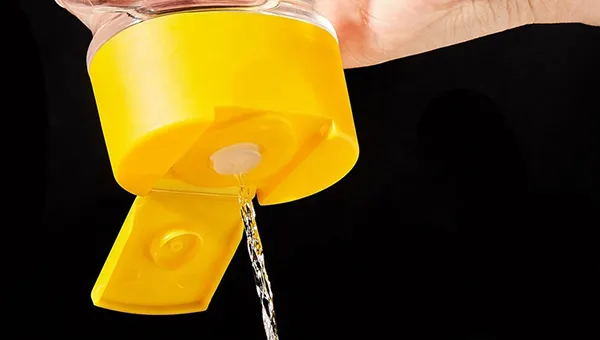
Because of their compact structure and dependable sealing capability, umbrella valves are widely used in dispensing closures, coffee machines, water tanks, medical devices, automotive systems, and electronic appliances.
If you have any questions about us, you can leave a message online or contact us!
 EN
EN