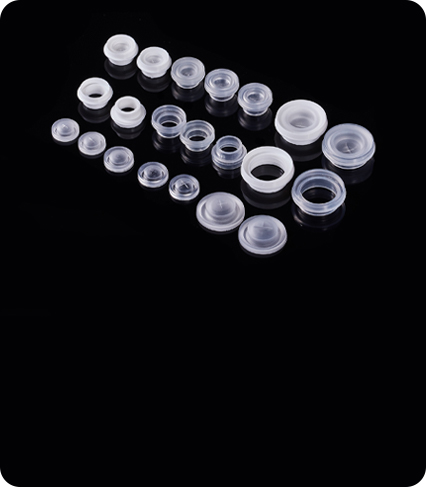
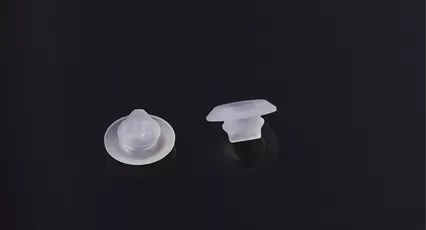
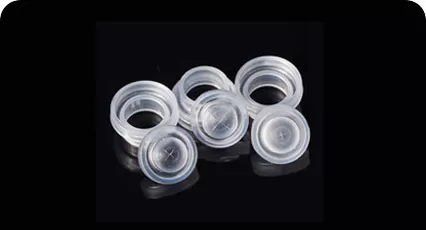
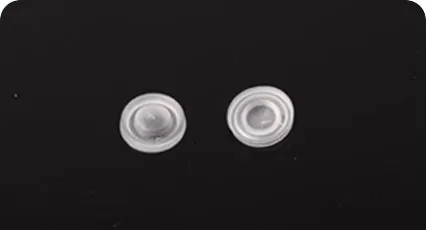
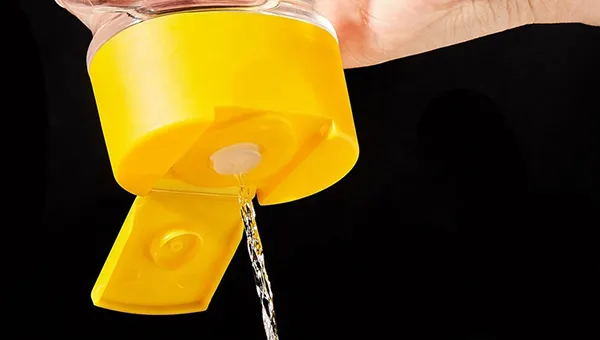
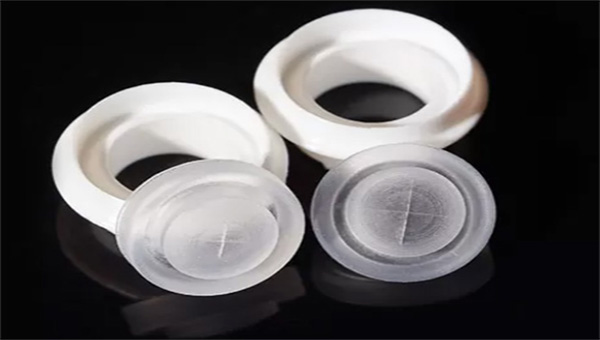
Silicone cross slit valves are precision-engineered flow-control components characterized by a cross-shaped slit geometry that enables self-sealing under static conditions and controlled opening under applied pressure. While these valves are widely deployed in food and beverage dispensing systems, their adoption in sports water bottles has accelerated due to increasing requirements for leak prevention, rapid hydration, and ergonomic one-hand operation.
In sports and outdoor hydration systems, the valve must perform reliably under dynamic mechanical loads, repeated deformation, and varying environmental conditions. This document presents a technical analysis of the functional requirements, material behavior, manufacturing processes, and performance advantages of silicone cross slit valves for sports water bottles, with specific reference to Hopewell’s LSR-based production technology.
Modern sports bottles typically utilize either a bite-valve mouthpiece or an integrated silicone valve without an external cap. The dispensing principle relies on user-applied squeezing force to generate internal pressure, which causes the cross slit to open and allow fluid flow. Upon pressure release, the elastomeric membrane returns to its original closed state, preventing leakage.
This design provides two primary functional advantages:
1. Spill prevention during motion, impact, or accidental drops.
2. High-speed hydration during short rest intervals, achieved through direct squeeze dispensing without the need for unscrewing or opening closures.
Sports water bottle applications impose stricter technical requirements than conventional packaging. Key performance criteria include:
3.1 Sealing Integrity (Leak-Proof Performance)
Typical sports bottles exceed 500 ml in volume. The valve must maintain a normally closed state under static conditions, including when the bottle is inverted, compressed, or subjected to impact. The slit geometry and membrane elasticity must ensure zero leakage in the absence of internal pressure.
3.2 Elastic Recovery and Air-Return Capability
Continuous dispensing requires rapid pressure equalization within the bottle. After each squeeze cycle, the valve material must recover instantly to its original geometry, allowing air to re-enter the container. High resilience and low compression set are therefore critical material properties.
3.3 Flow Rate Under Applied Pressure
Athletes require rapid fluid intake within limited time windows. The cross slit dimensions, membrane thickness, and material modulus directly influence the volumetric flow rate per squeeze. Optimized valve design enables high flow output without compromising sealing performance.
3.4 Directional Dispensing Accuracy
Sports bottles are typically operated with one hand at variable angles. The valve outlet geometry must be engineered to ensure predictable jet direction and minimal dispersion, delivering fluid directly to the user’s mouth and reducing waste.
Liquid Silicone Rubber (LSR) is the preferred material for high-performance sports bottle valves due to the following characteristics:
High elasticity and rebound speed, supporting repeated deformation and rapid air return.
Excellent temperature stability, maintaining performance in outdoor environments.
Chemical inertness and food-contact compliance, suitable for beverage applications.
Low compression set, ensuring long-term sealing reliability.
Compared with thermoplastic elastomers (TPE), silicone provides superior resilience, fatigue resistance, and consistency over extended service life, making it more suitable for reusable, performance-critical hydration systems.
Hopewell's silicone cross slit valves are produced using high-precision LSR (Liquid Silicone Rubber) injection molding with a zoned gating system. This process ensures:
Uniform wall thickness across the top membrane and sidewalls.
Stable dimensional repeatability between production batches.
Controlled mechanical response under applied pressure.
Following molding, valves undergo fully automated precision punching and slitting. This secondary operation maintains tight tolerances on:
Cross slit length and width
Slit position relative to the valve center
Edge quality and consistency
The combination of precision molding and automated cutting ensures each valve meets strict requirements for sealing integrity, air-return efficiency, and high-flow performance.
Through optimized material formulation and geometric control, Hopewell's silicone cross slit valves achieve:
Leak-proof sealing under static and inverted conditions
Rapid elastic recovery for continuous dispensing
High volumetric flow rate per squeeze cycle
Stable dispensing angle across typical user handling positions
These characteristics allow precise integration with a wide range of sports bottle designs, including bite-valve systems and capless squeeze bottles.
For OEM and brand owners requiring application-specific performance, Hopewell provides custom silicone valve engineering, including:
Geometry optimization for target flow rates and actuation forces
Material selection based on mechanical, thermal, and regulatory requirements
Prototype tooling and functional validation
Scalable mass production with process consistency
Our engineering team works closely with customers to ensure that each custom silicone cross slit valve is manufacturable, repeatable, and aligned with end-use performance criteria.
Silicone cross slit valves represent a critical enabling technology in modern sports hydration systems. By combining LSR material advantages with high-precision molding and automated slit control, Hopewell delivers valves that meet the demanding requirements of leak prevention, high-flow dispensing, rapid air return, and directional accuracy.
As a specialized manufacturer of silicone valves and custom elastomer flow-control components, Hopewell supports the development of next-generation sports water bottles through reliable engineering, scalable manufacturing, and application-driven design.
For technical specifications, custom development, or project evaluation, please contact Hopewell's engineering team.
If you have any questions about us, you can leave a message online or contact us!
 EN
EN