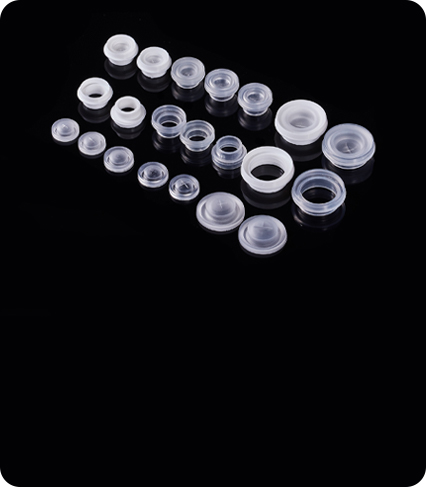
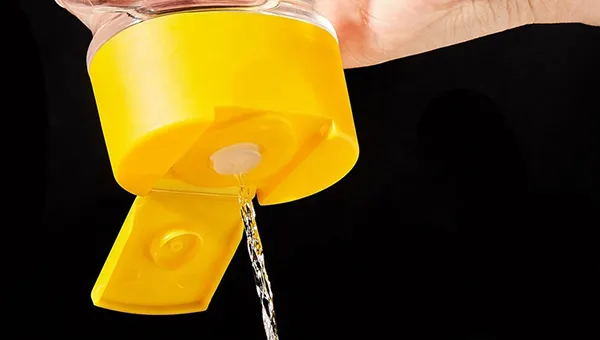
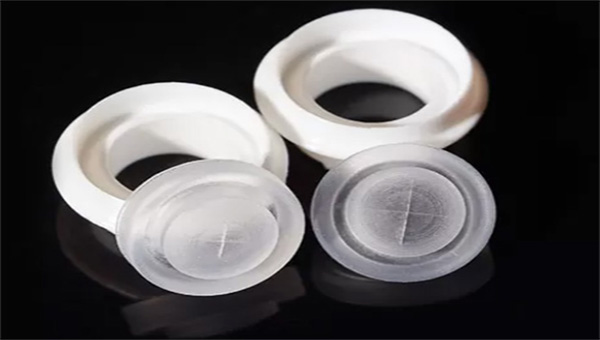
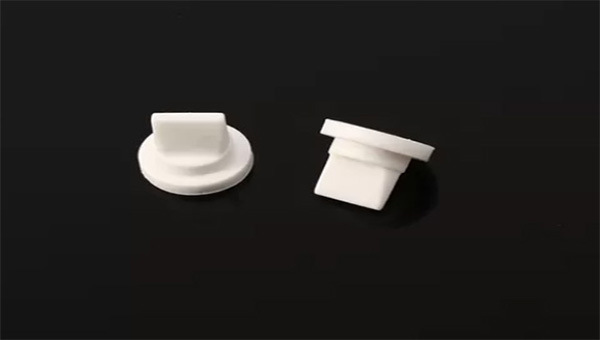
Umbrella valves are essential elastomeric components that function as high-performance one-way check valves, acting as the silent, reliable guardians of modern fluid management systems. By permitting flow in one direction while effectively preventing backflow, an umbrella valve ensures the structural integrity and long-term efficiency of sensitive applications. Whether you are maintaining the high-precision requirements of medical respiratory devices, optimizing the performance of automotive fuel systems, or ensuring consistent dosing in advanced household appliances, a high-quality silicone umbrella valve offers unmatched reliability and chemical stability.
At Hopewell, we leverage over 20 years of specialized expertise in silicone rubber molding to deliver precision-engineered solutions tailored to the most demanding industrial environments. Our commitment to quality ensures that every rubber umbrella valve we produce meets rigorous global standards for sealing performance and material longevity.
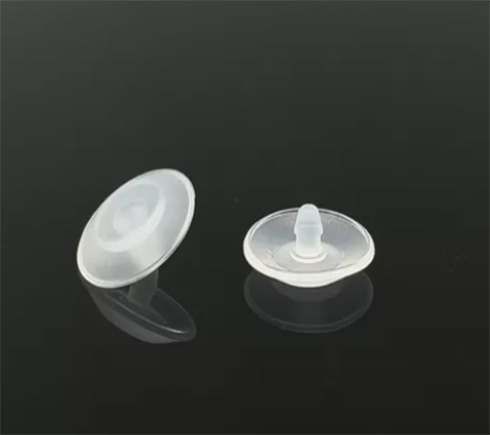
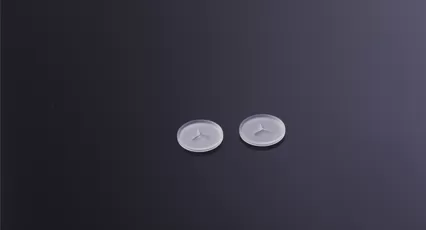
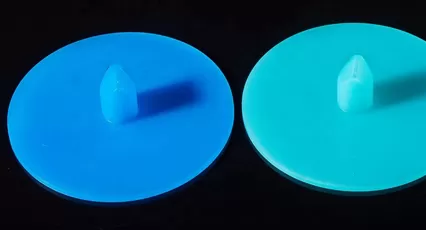
An umbrella check valve is a specialized elastomeric one-way component, characterized by its flexible, circular diaphragm—resembling the shape of an umbrella—connected to a central stem. Designed for autonomous flow regulation, this assembly is seated within a valve seat featuring one or more flow holes. The primary umbrella valve seal mechanism relies on the inherent elasticity of high-quality materials, particularly LSR (Liquid Silicone Rubber). When the valve is properly assembled, the center stem secures the component in place, while the umbrella-shaped edge maintains constant, uniform tension against the seat. This design allows it to seal or open based on pressure differentials, eliminating the need for additional mechanical components like springs or metallic hinges. The valve umbrella seal is engineered to remain static under closed conditions, ensuring that no leakage occurs in critical fluid lines.
The operation of an umbrella valve is entirely autonomous, governed by the physics of the surrounding fluid pressure:
Closed State: Under resting conditions or when backpressure is present, the elastic nature of the diaphragm keeps the outer edge pressed firmly against the valve seat. This creates a secure, leak-proof seal umbrella interface, preventing any backflow from occurring.
Opening Process: As inlet pressure increases and eventually exceeds the valve's pre-defined cracking pressure, the force acting on the underside of the diaphragm causes it to flex and lift away from the valve seat, effectively opening the flow path.
Resetting: Once the inlet pressure drops, the diaphragm's molded elastic memory forces it to immediately snap back to its closed position. This provides an instant, reliable seal, ensuring consistent performance cycle after cycle without the degradation associated with mechanical springs.
Our silicone umbrella valve solutions are engineered for exceptional chemical resistance, extreme temperature stability, and extended service life.
| Core Advantage | Performance Specification |
| Compact & Efficient | Ideal for space-constrained designs where traditional heavy valves are impractical. |
| Rapid Response | Ensures high-precision dosing and instantaneous prevention of backflow. |
| Precision Manufacturing | Provides high dimensional consistency and stable cracking pressure. |
Our rubber umbrella valve units are trusted by global manufacturers across diverse sectors:
| Industry Sector | Application Focus |
| Medical & Automotive | Sterile respiratory environments and fuel vapor management systems. |
| Home Appliances | High-precision components engineered for long-term domestic reliability. |
| Liquid Packaging | Specialized solutions optimized for consistent vacuum squeeze bottle dispensing. |
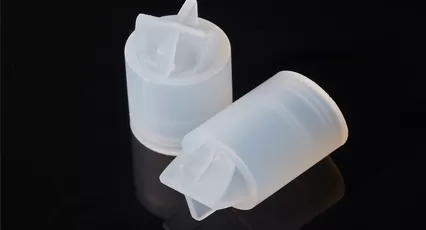
When designing your system, it is important to consider the differences between an umbrella check valve and a duckbill umbrella valve configuration. While both are elastomeric one-way valves, the umbrella type is often preferred for its superior static seal integrity and compact footprint. In contrast, a duckbill umbrella valve design may be utilized in systems requiring specific flow patterns or different cracking pressure profiles.
Cracking Pressure: Clearly define the specific pressure required to open the valve for your application
Fluid Compatibility: Select material grades (e.g., medical or food-grade) that are fully compatible with your specific media
Application Environment: Consider temperature fluctuations and chemical exposure levels
Assembly Needs: Choose between manual pull-in or automated push-in stems based on your production line setup
At Hopewell, we combine advanced LSR injection molding with over 20 years of industry experience to provide reliable, precision-engineered silicone solutions. With our dedicated cleanroom production facilities and deep expertise in automated manufacturing, we support global customers from initial concept development to full-scale mass production. If you are looking for a reliable partner for your custom umbrella valve design or require professional material consultation for your specific project, please contact our engineering team today to discuss your requirements. Let us help you achieve superior fluid control performance.
If you have any questions about us, you can leave a message online or contact us!
 EN
EN