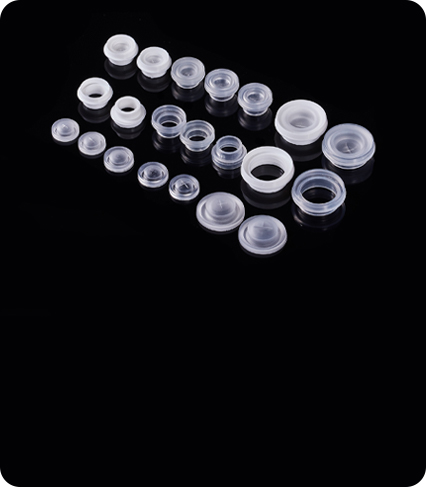
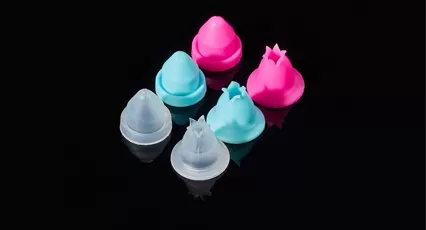
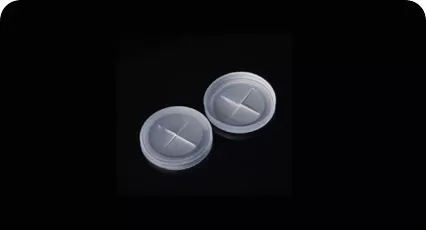
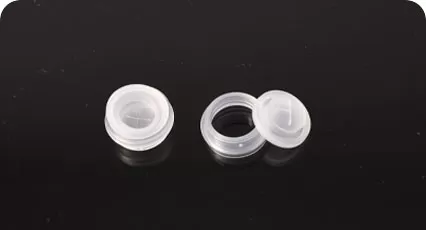
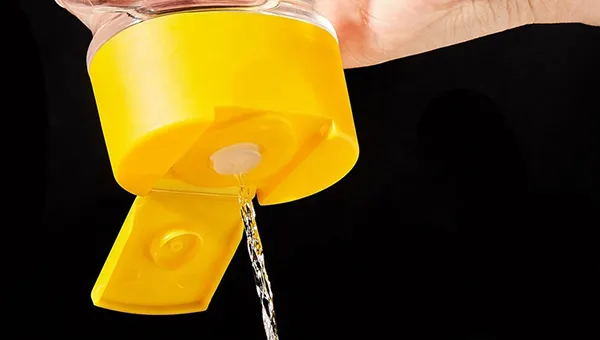
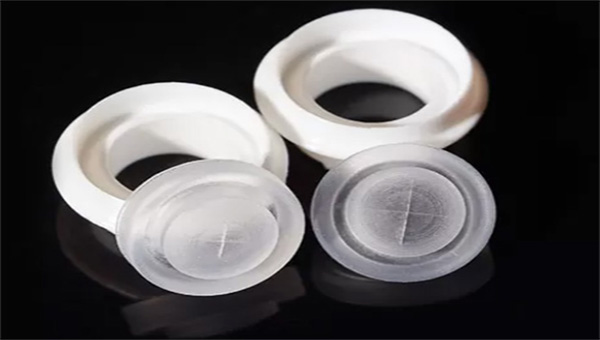
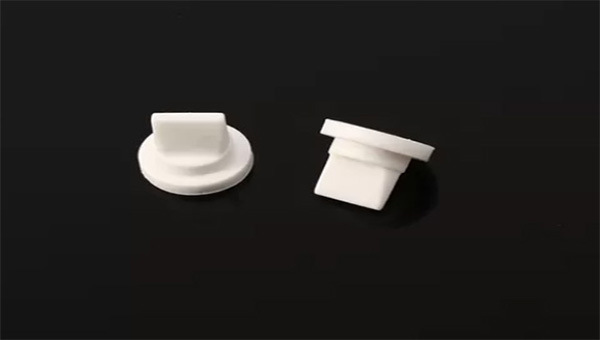
Elastomer valves are widely used in packaging and dispensing systems and can be made from different materials such as silicone, rubber, and plastic elastomers. Among these options, silicone valves are one of the most commonly used solutions due to their excellent flexibility, durability, and chemical stability.
In this guide, we will focus on how to select the right silicone valve material based on manufacturing methods and application requirements.
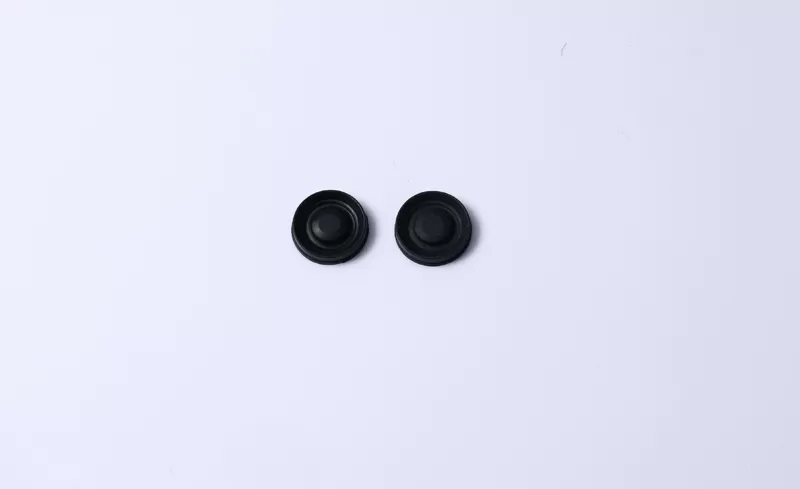

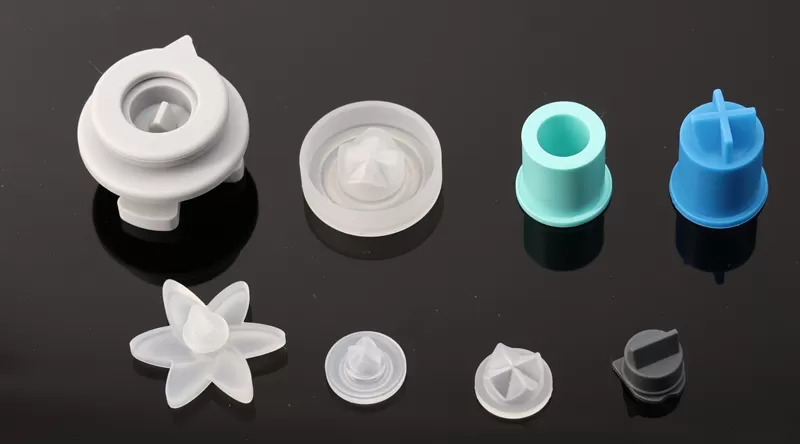
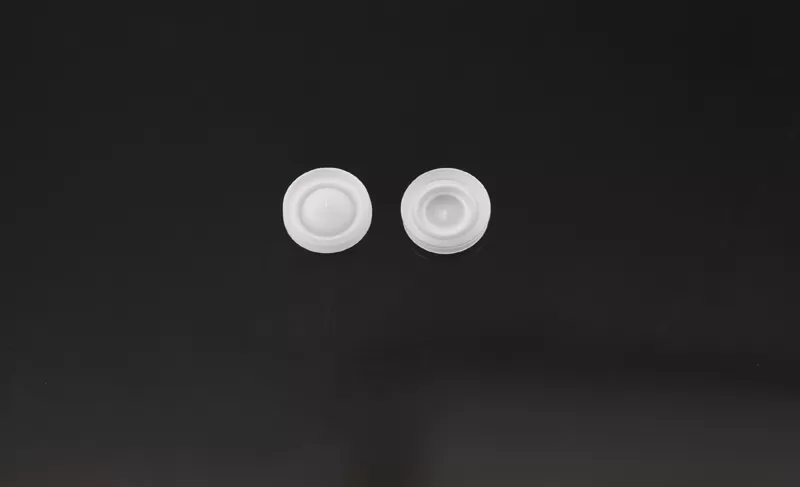

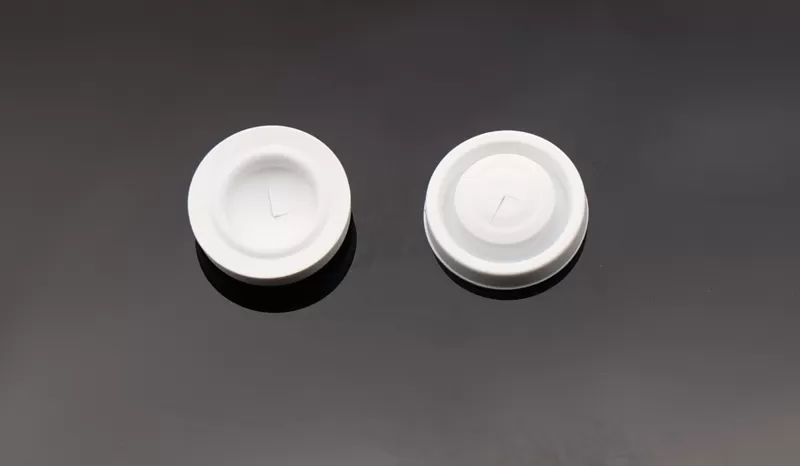
1. Silicone Types: Solid Silicone vs. Liquid Silicone (LSR)
Silicone materials used for valve production are generally divided into solid silicone rubber (HCR) and liquid silicone rubber (LSR). These two forms use different molding technologies and are suitable for different project requirements.
Solid Silicone (Compression Molding)
Solid silicone is typically processed through compression molding (heat press molding). This method is suitable for:
Small or medium production quantities
Projects requiring multiple colors
Applications with less demanding dimensional tolerances
Because of its flexibility in tooling and color adjustments, compression molding is often used during early product development or for customized orders.
Liquid Silicone Rubber – LSR (Injection Molding)
Liquid silicone rubber is processed using LSR injection molding technology, which is more suitable for:
High-precision valve structures
Strict dimensional tolerance requirements
Large-volume production
LSR molding offers better consistency, automated production, and improved repeatability, making it ideal for high-performance dispensing valves and precision packaging components.
2. Silicone Material Grades
In addition to manufacturing form, silicone materials can also be classified according to application grade and performance requirements.
Food-Grade Silicone
Food-grade silicone is widely used in food and beverage packaging applications, where the valve may come into contact with sauces, condiments, or other consumable products. This material is valued for its excellent safety, odorless properties, and compliance with food-contact standards.
Medical-Grade Silicone
Medical-grade silicone is designed to meet stricter regulatory requirements such as biocompatibility, skin sensitization, and cytotoxicity standards. Because of these properties, it is commonly used in:
Medical devices
Healthcare products
Personal care applications
Specialty Silicone Materials
Depending on the application, silicone materials can also be customized with special properties such as:
Oil resistance
High-temperature resistance
Chemical resistance
Enhanced durability for industrial environments
Thanks to silicone's excellent temperature resistance, moisture resistance, and weatherability, silicone valves are also widely used in cosmetics, industrial equipment, and household product packaging.
3. How to Choose the Right Silicone Valve Material
Selecting the correct silicone valve material ultimately depends on how and where the valve will be used. Important factors to consider include:
The type of liquid being dispensed
Required opening pressure and flow rate
Environmental conditions such as temperature or chemical exposure
Industry standards and regulatory requirements
Because valve performance is closely related to material properties, hardness, and structural design, it is important to work with an experienced manufacturer during the development process.
Work with an Experienced Silicone Valve Manufacturer
If you are unsure which silicone material is most suitable for your valve application, professional engineering support can help you make the right choice.
Hopewell has over 10 years of experience in silicone valve manufacturing, supporting customers with material selection, valve design optimization, and custom production solutions. Our team can recommend the most suitable silicone material based on your application requirements.
Feel free to contact us to discuss your project and explore custom silicone valve solutions.
If you have any questions about us, you can leave a message online or contact us!
 EN
EN